Growing natural blueberries and bilberries: how to harvest a crop without betraying nature
Blueberries and bilberries are two berries valued not only for their taste, but also for their exceptional health benefits. They are rich in antioxidants and vitamins, have anti-inflammatory properties and support vision. Today, they are increasingly grown not in the wild, but on people’s own plots. However, many gardeners try to preserve a natural approach to cultivation — without harsh chemicals and with respect for the soil and ecosystem.
How can you grow natural blueberries and bilberries to get a good harvest without losing the berries’ value? We explain it step by step.
How blueberries differ from bilberries
Although both berries belong to the heather family and look similar, there are important differences between them:
-
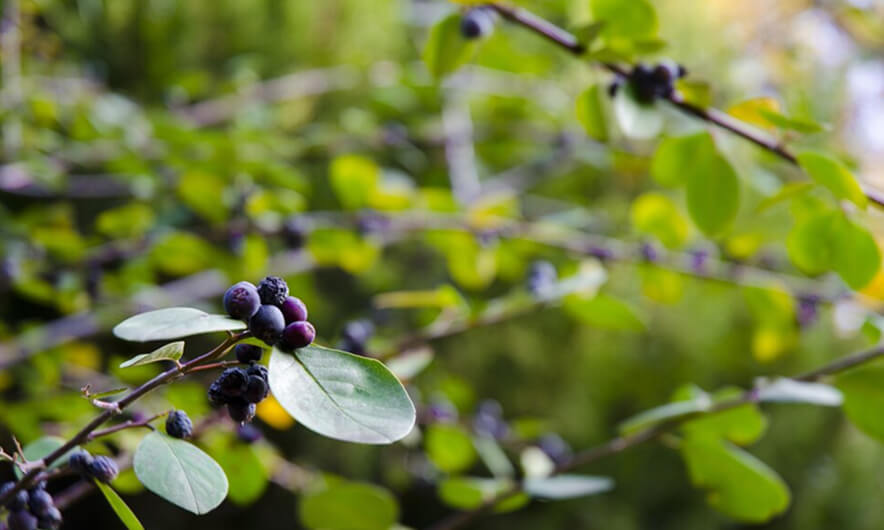
Bilberries grow in the wild, have dark flesh and often stain the fingers and tongue.
-
Blueberries are a more cultivated berry, with clear or white flesh, larger in size and less prone to rubbing off.
Both need acidic soil, sufficient moisture and a space sheltered from the wind.